
Looking Back to a Time We Looked to the Future
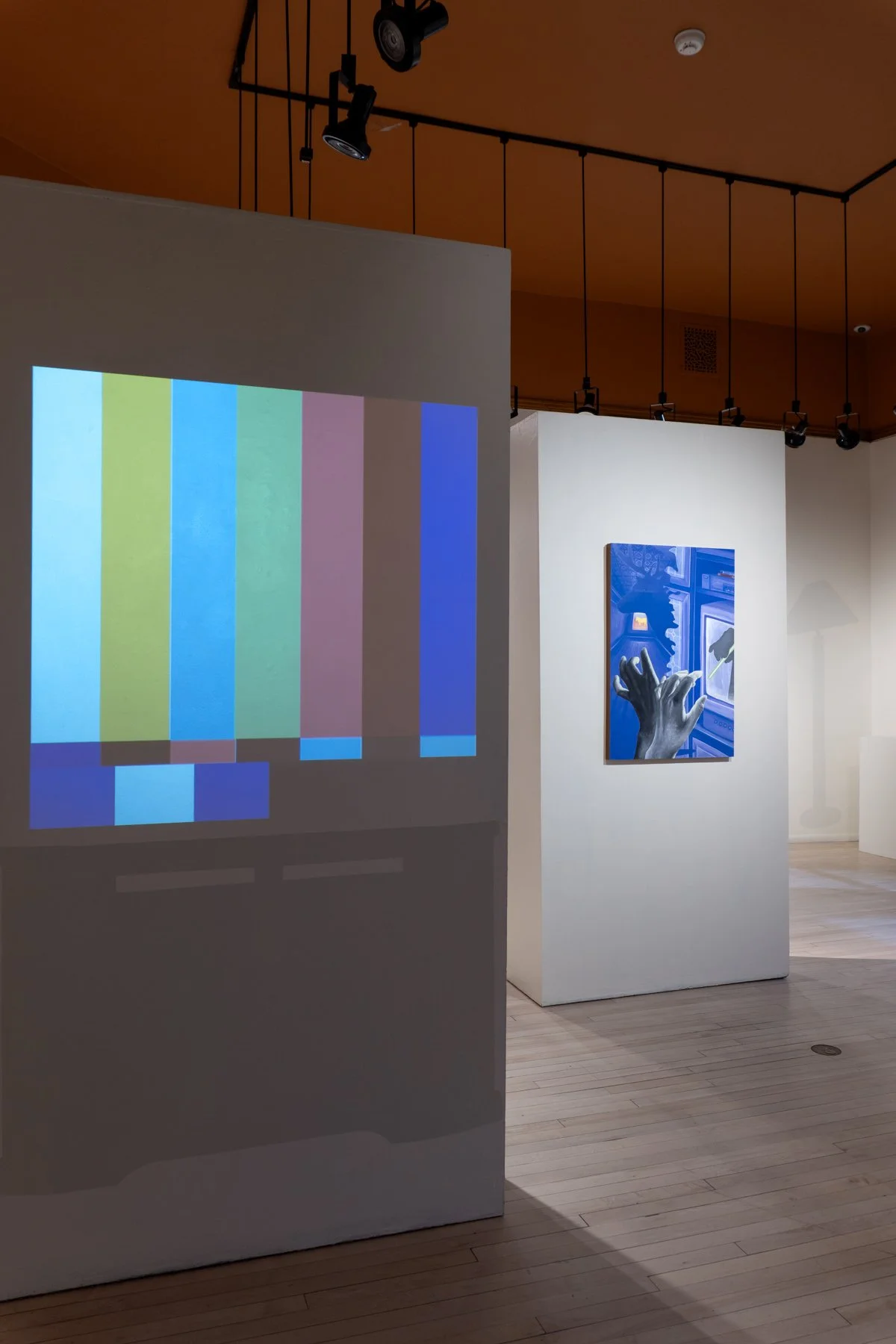
Projected Animation still from Our Sometimes Home, Glacier Art Museum, June 19 - September 26, 2026
Midcentury Modern + The Optimistic Outer Space
Somehow, I found my way to the good ol’ days. You know, the middle of the last century that some look so fondly on as the Golden Age of America. Some mean before civil rights, but I’ve been looking at postwar optimism as a time of economic boom and progress.
I ended up here by happen chance. From paintings inspired by the archetype of ‘90s Disney mixed race witches, to installing Our Sometimes Home at Glacier Art Museum: a body of work largely inspired by the act of escaping into TV, I found myself jumping back into the early shows that built the family programming I grew up on.
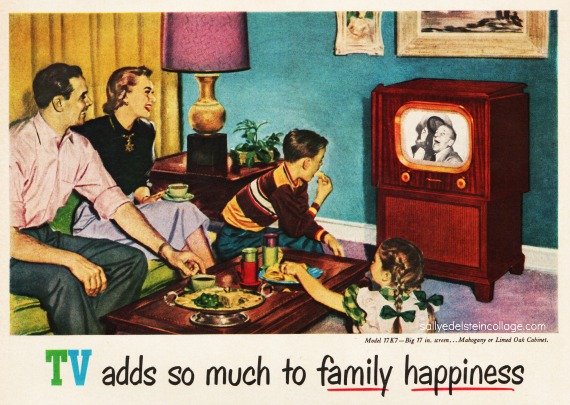
1950s USA Motorola Advert
My journey backwards started with The Waltons (1972 - 1981). The gift of watching someone else’s streaming service is getting recommendations you’d never see. I suppose I clicked because I was looking for answers on a non-Yellowstone idea of the American West, one that you’d think I could easily describe having lived here my whole life, but my ideas rarely match the majority view. Turns out that the Waltons actually live in the North and during the Great Depression.
From watching 10, 40-something minute episodes of mom, dad, grandma, and grandpa, plus seven kids, I’ve learned that my concept of the traditional American family doesn’t date back that far. The Waltons picturing family life of the ‘30s and ‘40s looked more like my family in the Philippines, rather than the modern American ideal that I had grown up with. The TV from my childhood promised a mom, a dad, and two children, and most ideal: a brother and a sister.
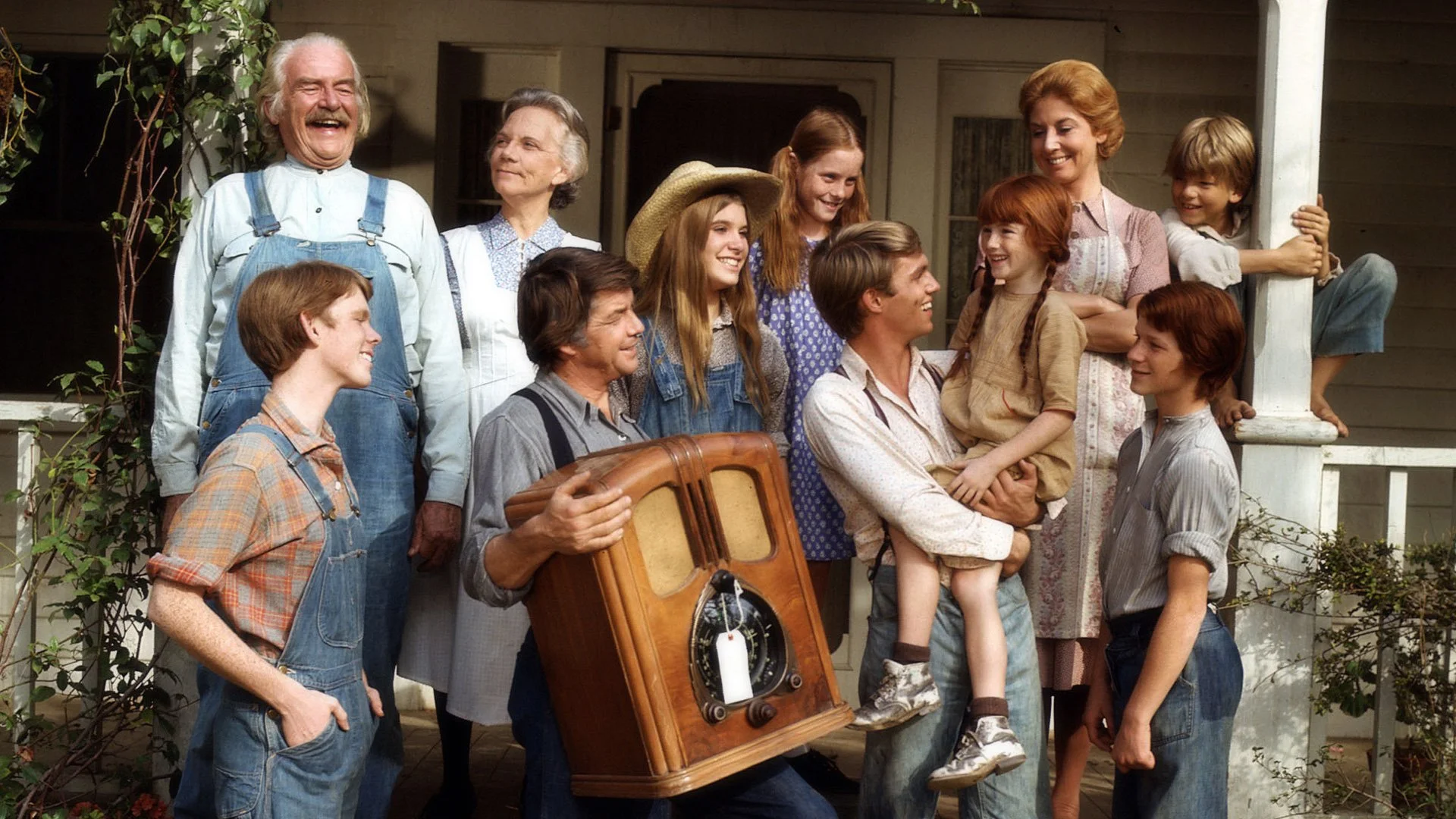
The Waltons (1972 - 1981)
Going back just a little further in TV history, I found the source material of many of the animations that I grew up on: early shows I remember loving, but don’t actually remember watching like Hanna-Barbera’s The Jetsons (1962-1963). At a time when TV consoles became a staple in the majority of American homes, The Jetsons mirrored the American Dream.
My mom used to tell me stories, that I hear echoed from my cousins, of neighborhood children watching TV through my grandparents’ living room window. A gift from my Filipino American auntie, our family was one of the only nearby that owned a TV set. My grandpa would yell at the kids to come into the house rather than stand outside the window. Together, in the Philippines, they were also internalizing messaging of American values of the nuclear ideal through this magic box.
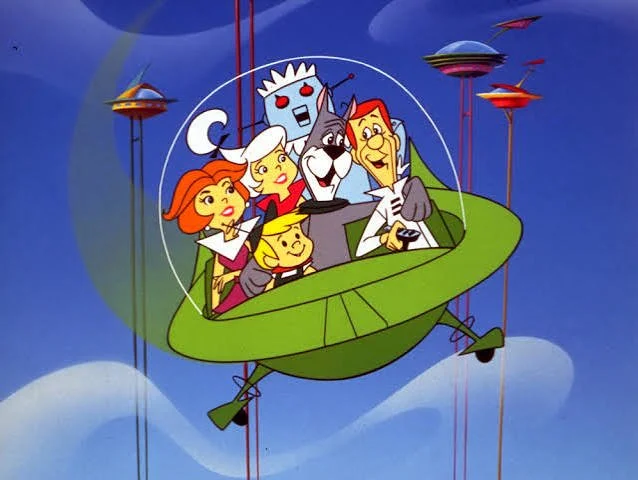
The Jetsons (1962 - 1963)
At the beginning of this year, I started playing around in the woodshop. I’ve been trying to make the wood in my paintings wood-more, and had been looking heavily at midcentury modern furniture as inspiration for form. Either my subconscious has been doing the heavy lifting, or simply you can’t begin to look deeply at something and not notice the context around it, but my TV history and woodworking journeys converged.
It’s been through architectural and animation history that I’ve been able to articulate why I am so drawn to this era of design. The perfect and simple curves, clean lines, and visual gravity point to the social psychology of why this time is remembered as golden. We were moving into financial prosperity, compartmentalizing the past, and looking to the future. It was a time of progress for progress’ sake. We were going to outer space, and it was televised.
This era is shiny to look back on while contemporarily the cost of living sky rockets and wartime history repeats itself. I find myself escaping into these postwar shows and design philosophies as a reminder that there will be a time after that is positive. I’m not sure what kind of morals I’ll find along the way, but I’m sure there will be some. Afterall, TV is storytelling in perfectly packaged bite-sized episodes.
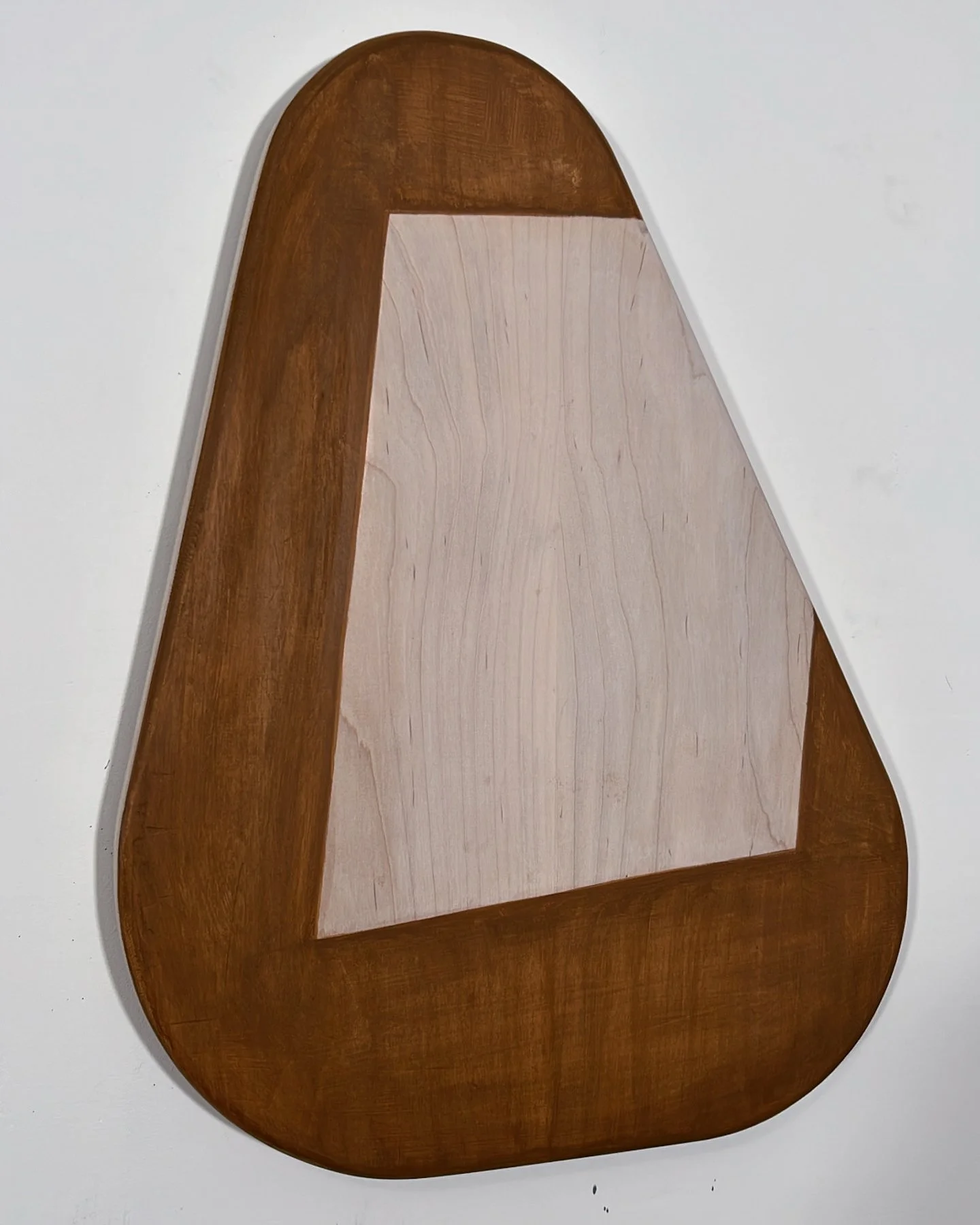
Stained and whitewashed maple form, ready for painting
